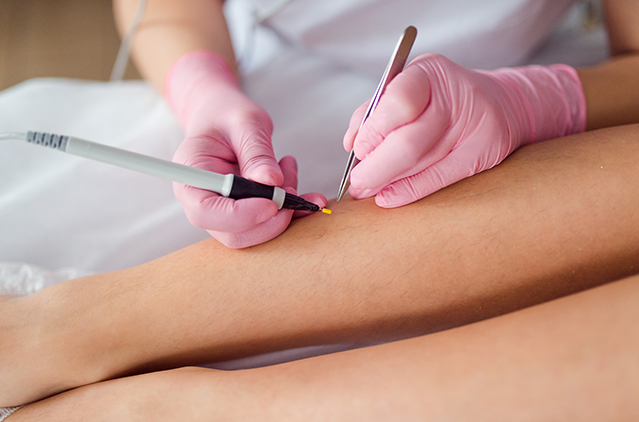
For many transgender and gender-diverse individuals, having unwanted body hair can be a practical concern that affects one’s comfort and daily routines. Furthermore, it may influence decisions around clothing, social situations, or personal care, particularly when hair growth does not align with a person’s gender presentation. While hormone therapy and social transition are central components of gender-affirming care, electrolysis permanent hair removal is often considered part of a broader, personalised plan. Understanding electrolysis permanent hair removal can help to make informed decisions with realistic expectations and long-term clarity.
Why Permanent Hair Removal Plays a Meaningful Role in Gender Affirmation
Having unwanted body hair is not always a cosmetic issue. For some individuals, the ongoing effort required to get rid of body hair can become a source of physical irritation and practical inconvenience. Frequent regrowth after shaving or waxing often requires constant attention, which can be time-consuming and uncomfortable, particularly for sensitive skin.
For those considering eliminating unwanted hair as part of gender affirmation, electrolysis is often recommended by medical practitioners since it is the only permanent hair removal method approved by the FDA. Instead of constantly managing regrowth after shaving, waxing, and plucking, electrolysis focuses on reducing hair growth at its source. Over time, this technique can support greater consistency between physical appearance and personal presentation, without the need for daily or weekly intervention.
Electrolysis and Laser Hair Removal Compared
Here is a comparison of electrolysis and laser hair removal methods.
| Method | How it works | Permanence | Best suited for |
|---|---|---|---|
| Laser Hair Removal | Uses light energy to target dark-coloured pigment in the hair follicle. | Results are not permanent; offers long-term hair growth reduction. | Darker hair growing on lighter skin tones. |
| Electrolysis | Uses a fine probe and electric current to trigger a chemical reaction that destroys the stem cells responsible for hair growth. | The only internationally recognised, FDA-approved permanent hair removal method. | All hair colours and skin types; suitable for all facial and body areas. |
Laser hair removal is often used to reduce overall hair density, particularly for larger areas; however, it fails to provide permanent results. Electrolysis treats individual follicles and does not rely on the presence of pigment, making it essential where complete and permanent hair removal is required.
In some cases, people use both methods as part of a staged approach, depending on hair type, treatment timeline, and personal preferences.
How Electrolysis Permanent Hair Removal Can Reduce Skin Irritation
Repeated hair regrowth, visible shadow, or irritation can cause ongoing irritation of the skin. Temporary hair removal methods may provide short-term relief from unwanted hair growth, but repeated friction and inflammation can contribute to skin discomfort over time.
Electrolysis permanent hair removal helps reduce this cycle by progressively limiting regrowth. As active follicles are treated and hair production stops, the need for repeated removal decreases. This can lead to improved skin health and reduced irritation in treated areas.
Accessing Gender-Affirming Electrolysis Hair Removal Services in Sydney
There are many reliable electrolysis clinics in Sydney that offer permanent hair removal treatment for transgender and gender-diverse clients.
Electrolysis operating within recognised health and safety frameworks follow strict infection control standards for permanent hair removal treatment. Selecting a qualified electrolysis provider who prioritises strict sanitation standards, clear communication, and personalised treatment planning is essential for achieving the best results.
Temporary redness or swelling may occur following electrolysis treatment, and sun protection remains an essential part of aftercare.
Planning a Transition-Aligned Permanent Hair Removal Treatment Timeline
Electrolysis permanent hair removal is a gradual process because hair grows in cycles. Only follicles in the active growth phase can be treated, which means multiple treatment sessions are required over time. Planning is critical when hair removal is part of a broader transition plan or surgical preparation.
Importantly, hormone therapy may slow or soften hair growth, but it does not remove hair entirely. Allowing hormone levels to stabilise can help align electrolysis treatment timing and expectations.
Long-Term Electrolysis Treatment Considerations
Electrolysis permanent body hair removal can form part of a structured, long-term care plan. Reducing the need for repeated hair removal allows for more stable skin management and predictable outcomes. With appropriate assessment, realistic timelines, and professional support, electrolysis permanent hair removal can be integrated safely and effectively into gender-affirming care.
