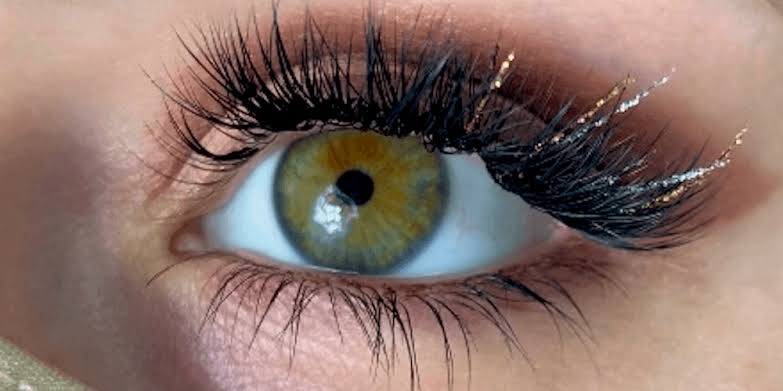
Eyelash extension certification combines technical instruction, supervised practice, and assessment. Students learn how to protect natural lashes, select suitable extensions, and create consistent results for different clients. Training also covers hygiene, adhesive control, styling, and aftercare. The course length determines how much practice and theory a student receives before certification. Knowing what training includes helps future artists choose a course that matches their goals and current experience, beginning with the course format.
Choosing The Right Course Format
Brisbane students can choose training that matches their schedule and experience. In-person options include one-day, two-day, three-day, and five-day courses, with longer programmes providing more supervised practice.
The available eyelash extension courses in Brisbane include a 1-day Level Up course with a basic kit, plus 2-day Skill Builder, 3-day Signature Skills, and 5-day Pro Mastery Intensive courses with a pro kit. Each option supports a different level of practical preparation.
A complete beginner usually benefits from a longer course. More training time allows repeated practice with isolation, placement, styling, and lash mapping. Experienced artists often choose shorter training to correct technique or add new services.
Learning The Core Techniques
Certification training starts with natural lash health and safe application. Students learn how lash thickness, length, curl, and weight affect the finished set. They also study how to customise styles for a client’s eye shape and natural lash condition.
Classic extensions usually form the first technical foundation. This method places one extension on one natural lash, so accurate isolation and controlled adhesive use matter. Students practise creating clean attachment points without sticking neighbouring lashes together.
Advanced instruction can include hybrid, volume, and mega-volume techniques. These methods require careful fan creation, weight control, and placement. A course should explain when each style suits the client and when a lighter design protects natural lashes.
Practising On Live Models
Theory explains the process, but live-model practice builds working control. Students perform consultations, prepare the eye area, apply extensions, and review the finished set under supervision.
A trainer can correct hand position, isolation, adhesive pickup, and placement during the appointment. Immediate feedback prevents small habits from becoming difficult problems later.
Practice also teaches appointment management. Students learn how to maintain a clean station, organise supplies, communicate during treatment, and explain aftercare clearly. These details affect client comfort and repeatable results.
Understanding Safety And Aftercare
Safe lash work depends on more than accurate placement. Training covers sanitation, product handling, eye-area preparation, and when to stop the service. Students also learn how to identify extensions that suit the client’s natural lashes.
Aftercare instructions help clients protect retention and keep the eye area clean. A trained artist explains why clients should avoid pulling extensions, use suitable cleansing methods, and return for maintenance before excessive regrowth develops.
Adhesive knowledge also matters. Students study curing conditions, storage, application quantity, and placement distance from the skin. These points support comfortable wear and reduce preventable application problems.
Receiving Certification
The certificate depends on the course selected. The five-day Pro Mastery course includes certificates in Classic Lash Extension Mastery and Hybrid & Volume Lash Extension Mastery. The three-day Signature Skills course includes a Classic certification.
The training page states that certificates from NALA and Lash INC provide national and global recognition. Students should confirm which certificate applies to their chosen course before enrolling.
Certification records completed training, but practical ability still depends on repeated work. A new artist should continue practising on suitable models, photograph results, review retention, and correct technique after each appointment.
What Training Materials Include
In-person enrolments include lifetime access to the Online Ultimate Lash Bundle. The listed training package also includes a 165-page theory manual and a lash kit valued at $600, depending on the course selected.
The kit gives students practice materials, while the manual supports revision after class. Students should read the course inclusions carefully, as the kit type differs between programmes. The one-day course includes a basic kit, while the other listed in-person options include a pro kit.
Preparing Before The First Class
Students should arrive ready to take notes, practise hand control, and ask direct questions. Short nails, comfortable clothing, and good time management support careful work during practical sessions.
Before enrolling, each student should compare course length, certification type, kit inclusion, model practice, and ongoing support. The training page lists one-on-one guidance and 24/7 support during and after course completion.
A clear goal also helps. Someone planning to work in a salon needs reliable treatment speed, while a home-based artist may focus more on consultation, setup, and repeatable results.
Conclusion
Eyelash extension certification should provide more than a certificate. It should teach safe application, accurate styling, client communication, and repeated practical control. Students can choose a shorter course for focused skill development or a longer programme for deeper supervised practice. Before booking, compare the course duration, included kit, certificate type, and practical training. Then select the format that fits the student’s current ability and the services planned for future clients.
