Facial hair removal is rarely discussed in detail as part of the transition process, even though it shapes daily life in ways hormone therapy alone cannot fully address. For many trans women, the mirror still shows shadows and stubble long after other changes have settled in.
Getting a clear picture of what electrolysis permanent hair removal actually involves, week to week, can make the whole decision feel far less overwhelming from the start.
Why Hormone Therapy Alone Isn’t Enough for Unwanted Hair Growth
Oestrogens and anti-androgens genuinely slow facial and body hair growth over time, and this is a real and welcome change for most people going through it. However, those hormones can’t stop hair growth completely or remove hair that has already grown in.
Follicles that produce coarse, dark hair generally keep producing some hair regardless of hormone levels, and that’s where a dedicated hair removal plan becomes necessary. Choosing transgender hair removal in Melbourne that actually understands transition timelines makes that next step considerably less stressful.
Plenty of clients arrive several years into hormone therapy, only to discover that certain patches of hair simply never responded the way the rest of their skin did, even after consistent, well-managed treatment.
A Growing Need for Trans-Specific Care
Demand for informed, respectful hair removal care has grown alongside broader recognition of trans healthcare needs across Australia. The Australian Bureau of Statistics states that around 178,900 Australians identify as trans or gender diverse, a figure that has only recently been properly measured.
That number represents people navigating decisions about facial hair, timing, and cost, often without much guidance from mainstream beauty or medical spaces. An electrologist who understands hormone therapy and its effect on hair growth removes a layer of explanation that clients would otherwise have to provide themselves at every single visit.
What the First Electrolysis Consultation Actually Covers
A proper electrolysis permanent hair removal treatment consultation covers more than just which areas need treatment, since timing around surgery, hormone changes, and personal goals shape the plan differently for each client. Most initial electrolysis consultations cover the same core ground before any new client begins treatment.
- Current hormone therapy status and how long it has been underway
- Areas of priority, whether that’s the upper lip, jawline, or fuller facial coverage
- A realistic session estimate based on hair density and growth pattern
- Any planned surgeries that require donor site clearance beforehand
Electrolysis treatment sessions typically begin once you and your electrologist agree on the plan and priority areas, with room to adjust as treatment progresses over time.
Why Multiple Electrolysis Sessions Are Built Into the Plan
Hair grows at different times in its natural cycle, which is why a single session can’t clear an entire area permanently. A series of electrolysis permanent hair removal appointments spaced weeks apart ensures each follicle is addressed as it becomes active, rather than all at once.
This spacing also lets the skin fully recover between each treatment round.
What Each Electrolysis Session Feels Like
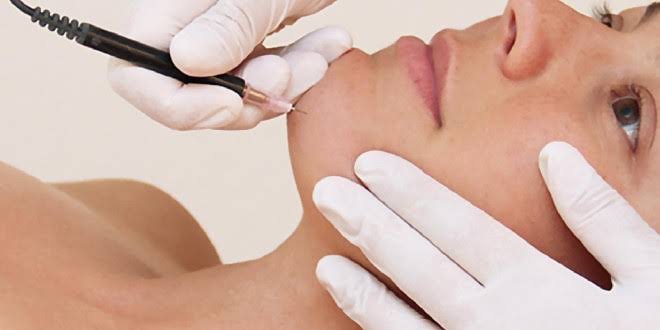
As part of electrolysis permanent hair removal treatment, an ultra fine probe is inserted into each hair follicle, where a tiny electrical current triggers a chemical reaction that eliminates the stem cells responsible for producing new hair. The follicle structure is not physically removed during the treatment process.
Mild tingling or stinging during electrolysis treatment is common, and any redness afterwards usually settles within a few hours once the session ends.
Conclusion
Electrolysis permanent hair removal isn’t a quick fix, and treating it like one can lead to frustration somewhere around the third or fourth session. Progress builds gradually, area by area, as follicles stop producing hair for good rather than simply thinning out over time.
For trans women building a transition timeline around surgery dates or personal milestones, that predictability matters just as much as the end result itself.
Knowing roughly what to expect from the electrolysis permanent hair removal process makes the entire process much easier to commit to fully, especially when other parts of the transition already feel unpredictable on their own. It’s one less unknown to carry through an already demanding stretch of life.
